
Social Science

Nature vs. Nurture Revisited: How Epigenetics Is Changing the Debate
The age-old debate of nature versus nurture is one of the most intriguing discussions in the fields of psychology, sociology, and biology. For centuries, researchers and theorists have sought to understand the extent to which genetics (nature) or environment (nurture) shape our behaviors, personalities, and even our health. This complex interplay has taken an exciting turn with the advent of epigenetics, a relatively new scientific field that explores how environmental factors can influence gene expression without altering the underlying DNA sequence.
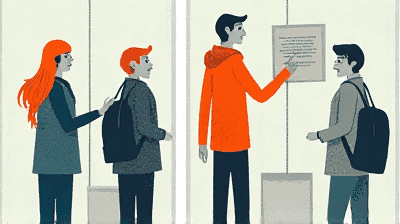
Nudge Theory Explained: How Small Changes Can Massively Influence Decisions
In our daily lives, the choices we make are influenced by a myriad of factors, many of which we may not even be aware of. From the foods we choose to eat, to the way we save for retirement, our decision-making processes are often shaped by subtle cues in our environment. This fascinating phenomenon is the focus of nudge theory, a concept rooted in behavioral economics and psychology that suggests that small changes in the way choices are presented can significantly impact people's decisions.
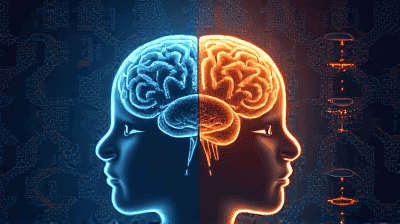
Dual Process Theory: Your Brain's Fast and Slow Thinking Systems Explained
Every day, we make countless decisions, from what to eat for breakfast to more complex choices about relationships and finances. Interestingly, the methods by which we arrive at these decisions can vary widely, often without our conscious awareness. This concept is central to dual process theory, a framework that explains how our brains operate through two distinct systems of thinking: the fast, intuitive, and automatic system and the slow, deliberate, and analytical system. Understanding dual process theory can illuminate the complexities of human cognition, influence how we approach decision-making, and enhance our overall understanding of human behavior.

The Paradox of Choice: Why More Options Lead to Less Satisfaction
In a world filled with endless possibilities, it may seem that having more choices is unequivocally beneficial. We are constantly bombarded with options—whether it is selecting a meal from a sprawling menu, choosing a smartphone, or deciding on a career path. However, psychological research suggests that an overload of choices can lead to paradoxical outcomes, where the abundance of options detracts from our satisfaction and well-being. This concept, famously explored by psychologist Barry Schwartz in his book 'The Paradox of Choice,' reveals how too many options can induce confusion, anxiety, and regret.

The Dunning-Kruger Effect: Why Incompetent People Don't Know They're Incompetent
Have you ever encountered someone who confidently asserts their expertise on a subject, only to find that their understanding is fundamentally flawed? Perhaps they are unable to grasp the intricacies of a topic yet demonstrate an unwavering belief in their abilities. This phenomenon is indicative of the Dunning-Kruger Effect—a cognitive bias where individuals with low ability at a task overestimate their competence. In contrast, those with higher ability often underestimate their skill level. This psychological occurrence has profound implications for areas such as education, workplace dynamics, and personal relationships.

The Sociology of Conspiracy Theories: Why They Flourish in Certain Groups
In an age characterized by rapid information exchange and a growing distrust of institutions, conspiracy theories have gained unprecedented traction across various social groups. These theories, often dismissed as mere fiction or delusions, can have significant social implications, influencing public opinion, shaping political landscapes, and even inciting violence.

The Mandela Effect: How False Memories Spread Through Populations
Have you ever been certain of a detail from the past, only to discover that your memory of it is incorrect? Perhaps you vividly remember a line from a film or a historical event, only to find that it unfolded differently than you recall. This phenomenon has a name: the Mandela Effect. Named after the famous South African leader Nelson Mandela, who many people mistakenly believed had died in prison in the 1980s, the Mandela Effect highlights how collective false memories can spread throughout populations.

The Halo Effect: Why Attractive People Get Unfair Advantages in Life
In a world that often prioritizes appearances, the implications of physical attractiveness extend far beyond aesthetic appreciation. The halo effect, a cognitive bias that causes an observer's overall impression of a person to influence their feelings and thoughts about that person’s character, explains why attractive individuals often enjoy significant advantages in various aspects of life. From job prospects to social interactions and even legal judgments, the halo effect can lead to a myriad of benefits for those deemed more attractive.

The Fundamental Attribution Error: Why We Judge Others Harshly But Ourselves Leniently
Have you ever looked at someone else's mistake and immediately thought, 'They must be incompetent'? Meanwhile, when you make the same mistake, do you find yourself saying, 'I just had a bad day' or 'It was an unavoidable situation'? This discrepancy in how we evaluate ourselves versus others is a widely studied phenomenon in psychology known as the fundamental attribution error (FAE). Understanding this bias is essential because it influences our perceptions, interactions, and relationships.

Groupthink in the Digital Age: How Social Media Amplifies Bad Decisions
In recent years, the rise of social media has transformed the way we communicate, share information, and make decisions. While these platforms promote connectivity and collaboration, they can also foster negative group dynamics, such as groupthink. Groupthink occurs when the desire for harmony or conformity within a group leads to irrational or dysfunctional decision-making. In the digital age, social media amplifies this phenomenon, creating environments where dissenting opinions are marginalized, critical thinking is stifled, and collective decisions can veer toward harmful or misguided conclusions.

The Baader-Meinhof Phenomenon: Why You Suddenly Notice Things Everywhere
Have you ever learned about a new concept, word, or trend and then found it appearing everywhere you look? Perhaps you just bought a new car and suddenly notice that same model on every street corner, or you read a book about a specific subject and begin to see references to it more frequently in your daily life. This curious experience is known as the Baader Meinhof phenomenon, also referred to as frequency illusion. The name originates from a fascinating coincidence and has become a popular term to describe how our perception of reality can shift based on focus and awareness.

Cultural Capital: The Invisible Currency That Determines Life Chances
In a world increasingly defined by inequality and social stratification, the concept of cultural capital has gained prominence as a crucial factor influencing life outcomes. Coined by sociologist Pierre Bourdieu in the late 20th century, cultural capital refers to the non-financial social assets that promote social mobility. Unlike monetary wealth, cultural capital encompasses education, intellect, style of speech, dress, and even cultural knowledge, all of which can serve as forms of 'invisible currency' shaping individuals' opportunities and life pathways.